

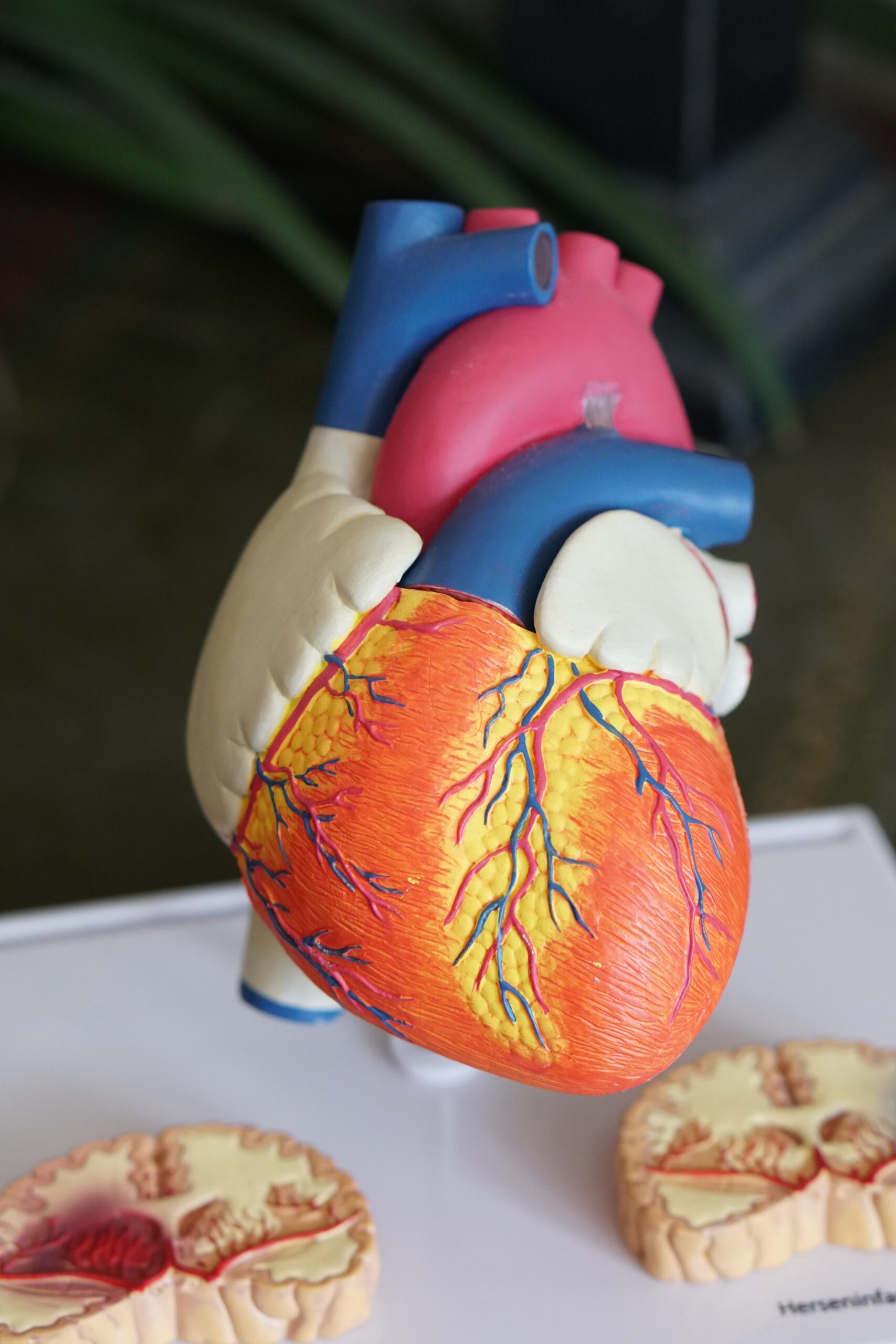

A course in Advanced Cardiovascular Life Support (ACLS) teaches students all about how the heart works and what to do during a cardiac issue. More specifically, ACLS trains healthcare workers to recognize and intervene in cardiac dysrhythmias, cardiopulmonary arrest, stroke, and acute coronary syndrome, among other conditions.
The goal of ACLS training is to improve the survival rate of adults who are experiencing cardiac or neurological crises. At the core of mastering ACLS is the need for a fundamental and in-depth understanding of how the heart works. Read on to find out all about how the heart works.
How Does the Heart Work?
The heart is one of the most vital and hardest working organs of the human body. It is a pumping muscle that is the main element of the cardiovascular system and it is around the size of a fist.
While it has been idealized by poets, writers, and lovers, the heart has a fundamental and necessary purpose. Specifically, it serves to pump oxygenated blood to the body and deoxygenated blood to the lungs, among other things.
The heart beats continuously, and during infancy, the heart beats approximately 120 times per minute. As a person grows, the number of beats per minute in your heart drops to an average of 72 beats per minute.
Heart Anatomy
The four-chambered heart is divided into two sides, a right side and a left side, resulting in two distinct halves. Each side of the heart is divided into two chambers: an upper chamber known as the atrium, and a lower chamber known as the ventricle.
An artery transports blood from the heart to the body, whereas a vein transports blood from the body to the heart. It is through the right atrium that venous blood enters the heart, where it travels into the right ventricle. From there it is transported to and expelled from the lungs by way of the pulmonary artery.

The lungs are responsible for removing carbon dioxide from the bloodstream and replacing it with oxygen. The increasingly oxygen-rich blood comes from the lungs and enters the left atrium via the pulmonary vein, where it continues its journey to the left ventricle and beyond.
With the aorta as a conduit, the left ventricle transports oxygenated blood to the rest of the body to nourish the tissues and organs. The pulmonary artery is the only artery in the body that carries deoxygenated blood, and the pulmonary vein is the only vein in the body that carries oxygenated blood. Both are located in the lungs.